
SIGNAL HORN FALCON
38.99$
SIGNAL HORN FALCON
Description
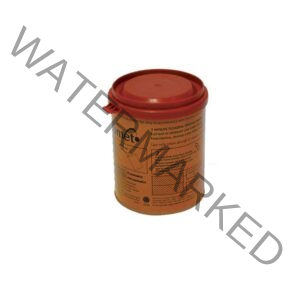
Falcon Signal Horns are an ideal option for uses where flammability isn’t a major concern including sporting events, paddle boating, and hiking. Provides a piercing 120dB blast at 10 feet. Meets US Coast Guard requirements for boats up to 65’ (20 meters). Provides up to 62 blasts per can.
SAFETY DATA SHEET
Product identifier
Other means of identification
Recommended use
Recommended restrictions
Manufacturer information
Supplier
1. Product and Company Identification
Falcon Signal Horn
FSH1, FSH1V, FSH1BU, FSH, FSHR
Produces loud sound. Signal Horn
None known.
Falcon Safety Products, Inc.
25 Imclone Drive
Branchburg, NJ 08876 US
Phone: 1-908-707-4900
Emergency Phone: 1-800-498-7192
See above.
Physical hazards
Health hazards
Environmental hazards
WHMIS 2015 defined hazards
Label elements
2. Hazards Identification
Flammable gases
Gases under pressure
Category 1
Liquefied gas
Signal word Danger
Hazard statement Extremely flammable gas. Contains gas under pressure; may explode if heated.
Precautionary statement
Prevention Keep away from heat, hot surfaces, sparks, open flames and other ignition sources. No smoking.
Response Leaking gas fire: Do not extinguish, unless leak can be stopped safely. In case of leakage,
eliminate all ignition sources.
Storage Store in a well-ventilated place.
Protect from sunlight. Store in a well-ventilated place.
Disposal Dispose of waste and residues in accordance with local authority requirements.
WHMIS 2015: Health Hazard(s)
not otherwise classified
(HHNOC)
WHMIS 2015: Physical
Hazard(s) not otherwise
classified (PHNOC)
Hazard(s) not otherwise
classified (HNOC)
Supplemental information None.
3. Composition/Information on Ingredients
Mixture
Chemical name
Isobutane
Common name and synonyms CAS number %
75-28-5 100
All concentrations are in percent by weight unless ingredient is a gas. Gas concentrations are in percent by volume.
4. First Aid Measures
Inhalation If symptoms develop, move person to fresh air. If symptoms persist, obtain medical attention.
Intentional misuse by deliberately concentrating and inhaling aerosol products may be harmful or
fatal.
Page: 2 of 8
Skin contact
Eye contact
Ingestion
Most important
symptoms/effects, acute and
delayed
Indication of immediate
medical attention and special
treatment needed
General information
Suitable extinguishing media
Unsuitable extinguishing
media
Specific hazards arising from
the chemical
Special protective equipment
and precautions for firefighters
Fire-fighting
equipment/instructions
Specific methods
General fire hazards
Hazardous combustion
products
Personal precautions,
protective equipment and
emergency procedures
Methods and materials for
containment and cleaning up
Environmental precautions
Precautions for safe handling
In case of contact with liquefied gas, thaw frosted parts with lukewarm water. Remove
contaminated clothing. Treat for frostbite by gently warming affected area. Wash with soap and
water. Obtain medical attention if irritation persists.
Flush with cool water. Remove contact lenses, if applicable, and continue flushing. Obtain
medical attention if irritation persists.
Not likely, due to the form of the product.
Contact with liquefied gas might cause frostbites, in some cases with tissue damage.
Treat patient symptomatically. Treat frost-bitten areas as needed.
If you feel unwell, seek medical advice (show the label where possible). Ensure that medical
personnel are aware of the material(s) involved, and take precautions to protect themselves. Show
this safety data sheet to the doctor in attendance. Avoid contact with eyes and skin.
5. Fire Fighting Measures
Foam. Dry chemical powder.
None known.
During fire, gases hazardous to health may be formed.
Firefighters should wear full protective clothing including self- contained breathing apparatus.
In case of fire and/or explosion do not breathe fumes. DO NOT EXTINGUISH A LEAKING GAS
FIRE UNLESS LEAK CAN BE STOPPED. In case of fire: Stop leak if safe to do so. Do not move
cargo or vehicle if cargo has been exposed to heat. Move containers from fire area if you can do
so without risk. Do not direct water at source of leak or safety devices as icing may occur. Use
water spray to cool unopened containers. For massive fire in cargo area, use unmanned hose
holder or monitor nozzles, if possible. If not, withdraw and let fire burn out.
Use standard firefighting procedures and consider the hazards of other involved materials. Cool
containers exposed to flames with water until well after the fire is out.
Extremely flammable gas. Contents under pressure. Pressurized container may explode when
exposed to heat or flame.
May include and are not limited to: Oxides of carbon.
6. Accidental Release Measures
. Eliminate all ignition sources (no smoking, flares, sparks, or flames in immediate area).
Many gases are heavier than air and will spread along ground and collect in low or confined areas
(sewers, basements, tanks). Wear appropriate protective equipment and clothing during clean-up.
Emergency personnel need self-contained breathing equipment. Do not touch damaged
containers or spilled material unless wearing appropriate protective clothing. Ventilate closed
spaces before entering them. Local authorities should be advised if significant spillages cannot be
contained. For personal protection, see section 8 of the SDS.
Refer to attached safety data sheets and/or instructions for use. Stop leak if you can do so without
risk. Isolate area until gas has dispersed. Eliminate all ignition sources (no smoking, flares, sparks,
or flames in immediate area). Keep combustibles (wood, paper, oil, etc.) away from spilled
material. For waste disposal, see section 13 of the SDS.
Prevent further leakage or spillage if safe to do so. Avoid discharge into drains, water courses or
onto the ground. Do not discharge into lakes, streams, ponds or public waters.
7. Handling and Storage
Use good industrial hygiene practices in handling this material.
Keep away from heat/sparks/open flames/hot surfaces. – No smoking.
Do not handle, store or open near an open flame, sources of heat or sources of ignition. Protect
material from direct sunlight.
Do not smoke.
All equipment used when handling the product must be grounded.
Provide adequate ventilation.
Avoid prolonged exposure.
Wash thoroughly after handling.
When using do not eat or drink.
Page: 3 of 8
Conditions for safe storage,
including any incompatibilities
Occupational exposure limits
Store in a well-ventilated place. Protect from direct sunlight.
Do not store at temperatures above 49 °C (120.2°F).
Keep away from heat, sparks and open flame.
This material can accumulate static charge which may cause spark and become an ignition source
. Prevent electrostatic charge build-up by using common bonding and grounding techniques.
Store away from incompatible materials (see Section 10 of the SDS).
Stored containers should be periodically checked for general condition and leakage.
Keep out of reach of children.
8. Exposure Controls/Personal Protection
Canada. British Columbia OELs. (Occupational Exposure Limits for Chemical Substances, Occupational Health and
Safety Regulation 296/97, as amended)
Components Type Value
Isobutane (CAS 75-28-5) TWA 1000 ppm
Canada. Manitoba OELs (Reg. 217/2006, The Workplace Safety And Health Act)
Components Type Value
Isobutane (CAS 75-28-5) STEL 1000 ppm
Canada. Ontario OELs. (Control of Exposure to Biological or Chemical Agents)
Components Type Value
Isobutane (CAS 75-28-5) TWA 800 ppm
US. ACGIH Threshold Limit Values
Components Type Value
Isobutane (CAS 75-28-5) STEL 1000 ppm
US. NIOSH: Pocket Guide to Chemical Hazards
Components Type Value
Isobutane (CAS 75-28-5)
Biological limit values
Appropriate engineering
controls
TWA 1900 mg/m3
800 ppm
No biological exposure limits noted for the ingredient(s).
Good general ventilation (typically 10 air changes per hour) should be used. Ventilation rates
should be matched to conditions. If applicable, use process enclosures, local exhaust ventilation,
or other engineering controls to maintain airborne levels below recommended exposure limits. If
exposure limits have not been established, maintain airborne levels to an acceptable level.
Individual protection measures, such as personal protective equipment
Eye/face protection
Skin protection
Hand protection
Other
Respiratory protection
Thermal hazards
General hygiene
considerations
Wear safety glasses with side shields.
Wear protective gloves. Confirm with a reputable supplier first.
Wear suitable protective clothing. As required by employer code.
In case of insufficient ventilation, wear suitable respiratory equipment. Where exposure guideline
levels may be exceeded, use an approved NIOSH respirator.
Respirator should be selected by and used under the direction of a trained health and safety
professional following requirements found in OSHA’s respirator standard (29 CFR 1910.134),
CAN/CSA-Z94.4 and ANSI’s standard for respiratory protection (Z88.2).
Not applicable.
Use good industrial hygiene practices in handling this material. When using, do not eat, drink or
smoke.
Appearance
Physical state
Form
Color
Odor
9. Physical and Chemical Properties
Aerosol
Gas.
Liquefied gas.
Colorless
Slight ethereal.
Odor threshold Not available.
pH Not available.
Melting point/freezing point Not available.
Initial boiling point and boiling
range
10.94 °F (-11.7 °C)
Page: 4 of 8
Pour point Not available.
Specific gravity 0.523
Partition coefficient
(n-octanol/water)
Not available.
Flash point -117.0 °F (-82.8 °C) Open Cup
Evaporation rate > 1 (Ethyl Ether = 1.0)
Flammability (solid, gas) Flammable gas.
Upper/lower flammability or explosive limits
Explosive limit – lower (%) 1.8
Explosive limit – upper (%) 8.4
Vapor pressure 300 kPa
Vapor density 2.006
Relative density Not available.
Solubility(ies) Not available.
Auto-ignition temperature 860 °F (460 °C)
Decomposition temperature Not available.
Viscosity Not available.
Other information
Density 0.59 lb/gal
Explosive properties
Oxidizing properties
Not explosive.
Not oxidizing.
Reactivity
Possibility of hazardous
reactions
Chemical stability
Conditions to avoid
Incompatible materials
Hazardous decomposition
products
10. Stability and Reactivity
This may react with strong oxidizing agents.
Hazardous polymerization does not occur.
Material is stable under normal conditions.
Heat, open flames, static discharge, sparks and other ignition sources. Aerosol containers are
unstable at temperatures above 49°C (120.2°F).
Strong oxidizing agents.
May include and are not limited to: Oxides of carbon.
11. Toxicological Information
Routes of exposure Eye, Skin contact, Inhalation.
Information on likely routes of exposure
Ingestion Expected to be a low ingestion hazard. May cause stomach distress, nausea or vomiting.
Inhalation Prolonged inhalation may be harmful. Excessive intentional inhalation may cause respiratory tract
irritation and central nervous system effects (headache, dizziness).
Skin contact Contact with liquefied gas might cause frostbites, in some cases with tissue damage.
Eye contact Direct contact with eyes may cause temporary irritation.
Symptoms related to the
physical, chemical and
toxicological characteristics
Direct contact with eyes may cause temporary irritation.
Information on toxicological effects
Acute toxicity
Components Species
Isobutane (CAS 75-28-5)
Acute
Dermal
LD50 Not available
Inhalation
LC50 Mouse
Test Results
1237 mg/L, 120 min, ECHA
57 %, 120 minutes, ECHA
52 mg/L, 1 h, HSDB
Page: 5 of 8
Components Species Test Results
52 %, 120 min, ECHA
Oral
Rat > 80000 ppm, 10 min, ECHA
1355 mg/L, 10 min, ECHA
658 mg/l/4h, LOLI
LD50 Not available
Skin corrosion/irritation Contact with liquefied gas might cause frostbites, in some cases with tissue damage.
Exposure minutes Not available.
Erythema value Not available.
Oedema value Not available.
Serious eye damage/eye
irritation
Direct contact with eyes may cause temporary irritation.
Corneal opacity value Not available.
Iris lesion value Not available.
Conjunctival reddening
value
Not available.
Conjunctival oedema value Not available.
Recover days Not available.
Respiratory or skin sensitization
Respiratory sensitization Not a respiratory sensitizer.
Skin sensitization
Mutagenicity
This product is not expected to cause skin sensitization.
Non-hazardous by WHMIS/OSHA criteria.
Carcinogenicity See below.
US. OSHA Specifically Regulated Substances (29 CFR 1910.1001-1050)
Not listed.
Reproductive toxicity
Teratogenicity
Specific target organ toxicity –
single exposure
Specific target organ toxicity –
repeated exposure
This product is not expected to cause reproductive or developmental effects. Non-hazardous by
WHMIS/OSHA criteria.
Non-hazardous by WHMIS/OSHA criteria.
Aspiration hazard Not likely, due to the form of the product.
Chronic effects Prolonged inhalation may be harmful.
12. Ecological Information
Ecotoxicity The product is not classified as environmentally hazardous. However, this does not exclude the
possibility that large or frequent spills can have a harmful or damaging effect on the environment.
Persistence and degradability
Bioaccumulative potential
Mobility in soil
Mobility in general
No data is available on the degradability of this product.
No data available.
Not available.
Other adverse effects No other adverse environmental effects (e.g. ozone depletion, photochemical ozone creation
potential, endocrine disruption, global warming potential) are expected from this component.
13. Disposal Considerations
Disposal instructions
Local disposal regulations
Hazardous waste code
Waste from residues / unused
products
Collect and reclaim or dispose in sealed containers at licensed waste disposal site. Dispose of
contents/container in accordance with local/regional/national/international regulations.
Dispose in accordance with all applicable regulations.
The waste code should be assigned in discussion between the user, the producer and the waste
disposal company.
Dispose of in accordance with local regulations. Empty containers or liners may retain some
product residues. This material and its container must be disposed of in a safe manner (see:
Disposal instructions).
Page: 6 of 8
Contaminated packaging Since emptied containers may retain product residue, follow label warnings even after container is
emptied. Empty containers should be taken to an approved waste handling site for recycling or
disposal.
Transport of Dangerous Goods
(TDG) Proof of Classification
14. Transport Information
In accordance with Part 2.2.1 (SOR/2014-152) of the Transportation of Dangerous Goods
Regulations, we certify that the classification of this product is correct as of the SDS date of issue.
U.S. Department of Transportation (DOT)
Basic shipping requirements:
UN number
Proper shipping name
Hazard class
Special provisions
UN1075
Petroleum gases, liquefied
2.1
T50, N95
306
304
314, 315
Transportation of Dangerous Goods (TDG – Canada)
Basic shipping requirements:
UN number
Proper shipping name
Hazard class
Packaging exceptions
Canadian federal regulations
UN1950
AEROSOLS, flammable
2.1
Limited Quantity Index 1 L
25 in stock